
 Аргентина
Винодельня
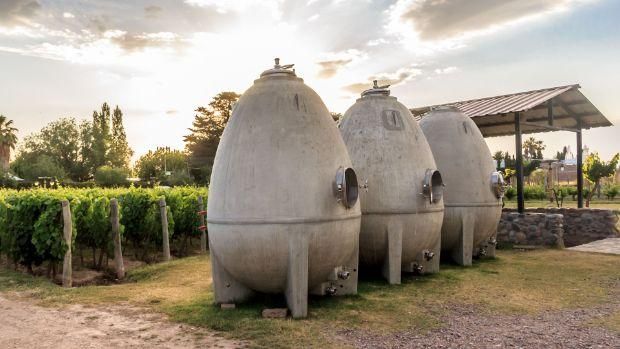
El Enemigo is the passion project of two Argentinian friends that has earned a cult following, dreamed up during a twilit sojourn along the River Thames in London in 2009. Alejandro Vigil is a soil expert and celebrated winemaker who for years has headed operations at Bodega Catena Zapata, the estate owned by Adrianna Catena’s father, the legendary Nicolás, a party in honour of whom they were b...
 Аргентина
Established in 1883, the pioneering spirit at Trapiche continues to change the very landscape of Argentinian wine: in addition to having led the charge in introducing Bordeaux grape varieties into the country’s vineyards, using French oak in the winery and citing micro-terroirs in its wines, in more recent years it has expanded winemaking out to the east coast, with its Chapadmalal winery; open...
 Аргентина
Архитектура
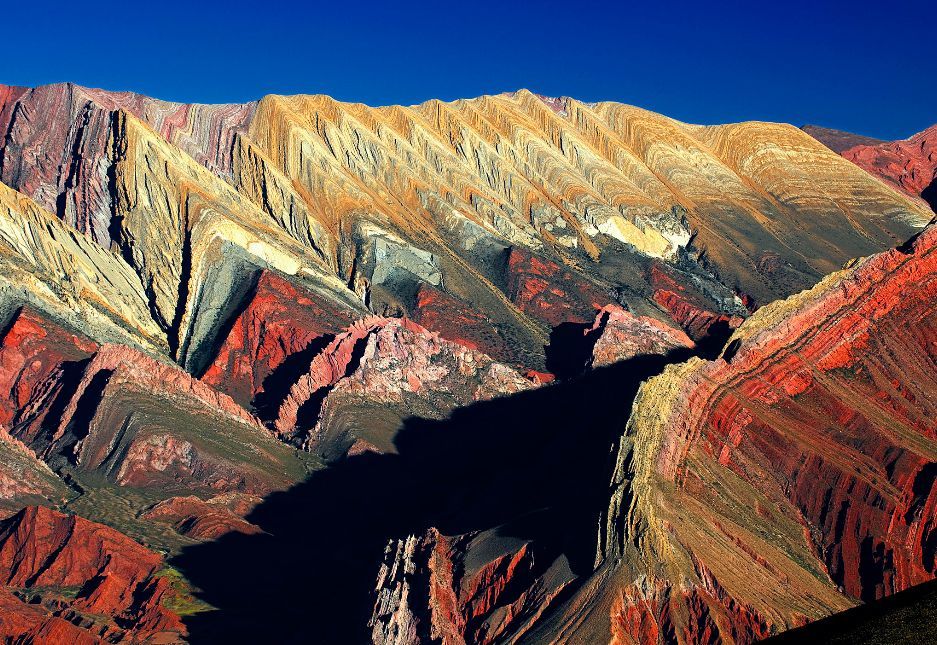
Quebrada de Humahuaca follows the line of a major cultural route, the Camino Inca, along the spectacular valley of the Rio Grande, from its source in the cold high desert plateau of the High Andean lands to its confluence with the Rio Leone some 150 km to the south. The valley shows substantial evidence of its use as a major trade route over the past 10,000 years. It features visible traces of ...


 Аргентина
Сад
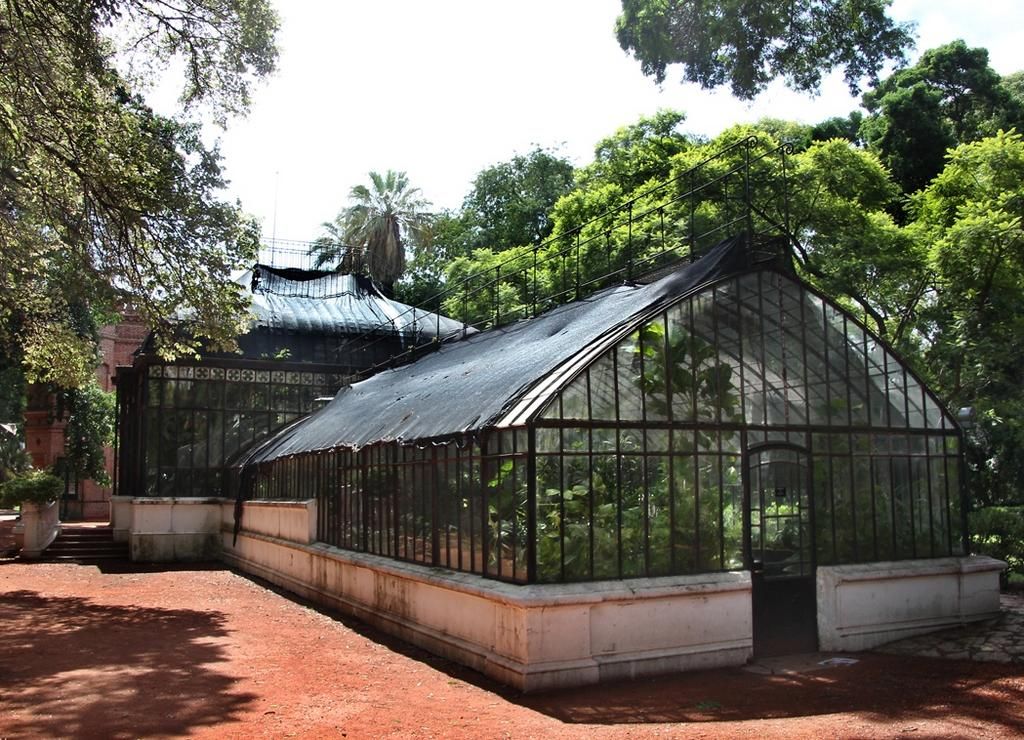
The trees and other plants, organized by part of the world, fill the park densely enough that you may almost forget you're in the middle of a city. The quintessential cat garden is also filled with many flowers and a 19th-century glass house.
 Аргентина
Дворец
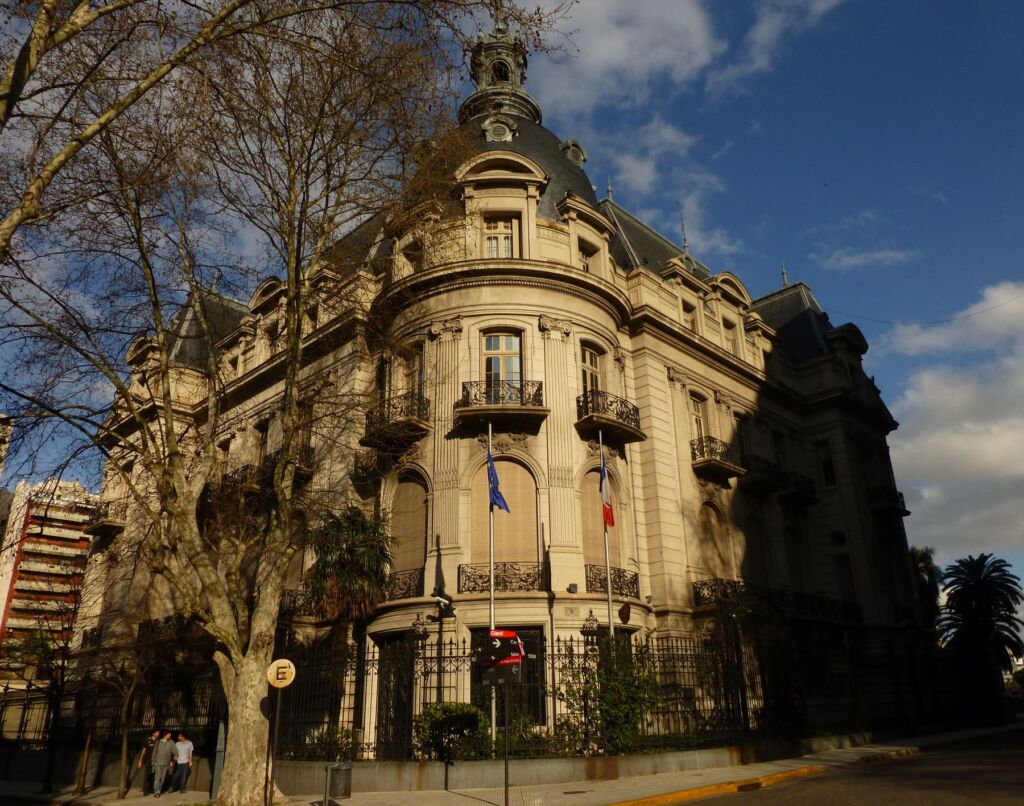
One of the most beautiful buildings in Buenos Aires. During the year, some times there are open doors events so you can visit the building inside. Ask for guided tours.
 Аргентина
Музей
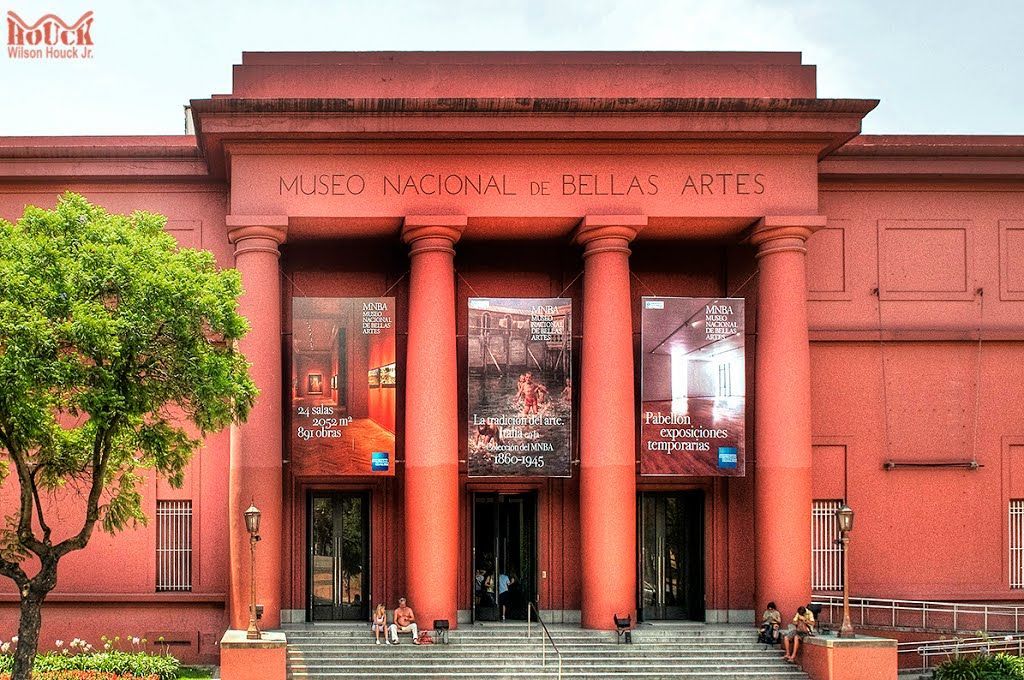
A top-notch museum - some well-known impressionists are represented, including some wonderful ''Degas'' ballerinas. The museum brings home to you the fact that BA was a rich part of the European mainstream for much of its history. It has offices in the City of Buenos Aires and in the city of NeuquAn. This museum was founded in December 1896, it has approximately 12000 pictures and it is a publi...
 Аргентина
Пляж
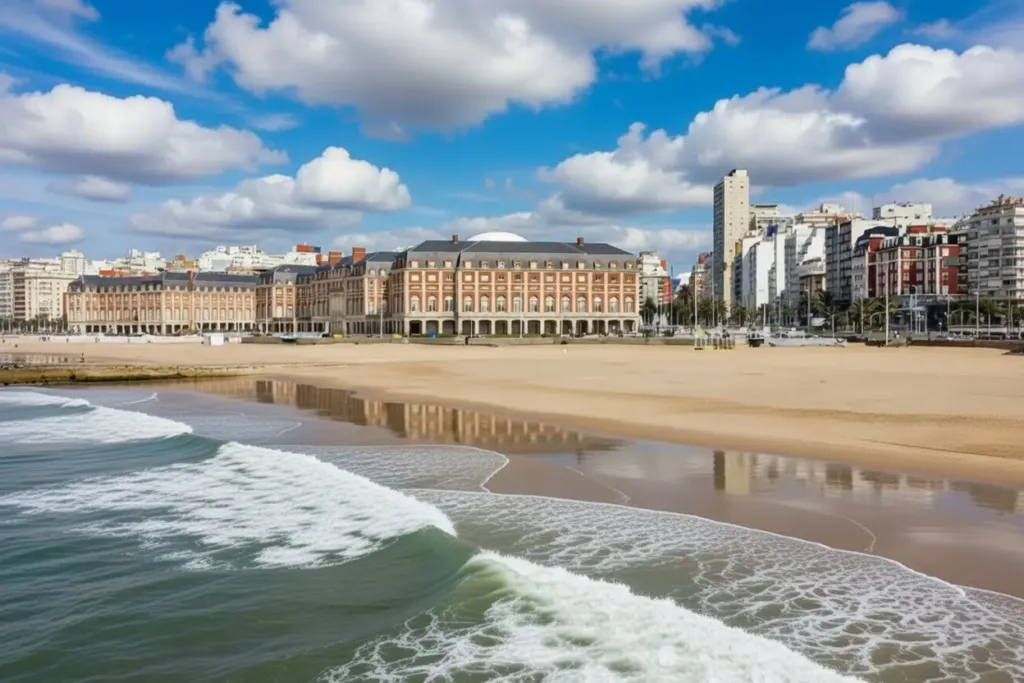
Sitting right on the coast of the Atlantic Ocean, the busy city of Mar del Plata is home to Argentina's most popular beaches. From Playa Popular and its packed boardwalk to Playa Waikiki and its great surfing, Mar del Plata has something for everybody. Though the water here is often cold and not always sparkly clean due to the proximity to a commercial port, the wide sandy beaches more than ma...
 Аргентина
Кладбище
A trip to La Recoleta feels like journeying into a small city of marble mini-mansions housing the remains of Argentina’s most celebrated (and loathed) subjects. It’s among the most popular tourist attractions in Buenos Aires, and you could easily get lost and spend the entire day exploring the some 6,000 plus ornately decorated mausoleums -- but just don’t stay too long, otherwise you might jus...
 Аргентина
Дворец
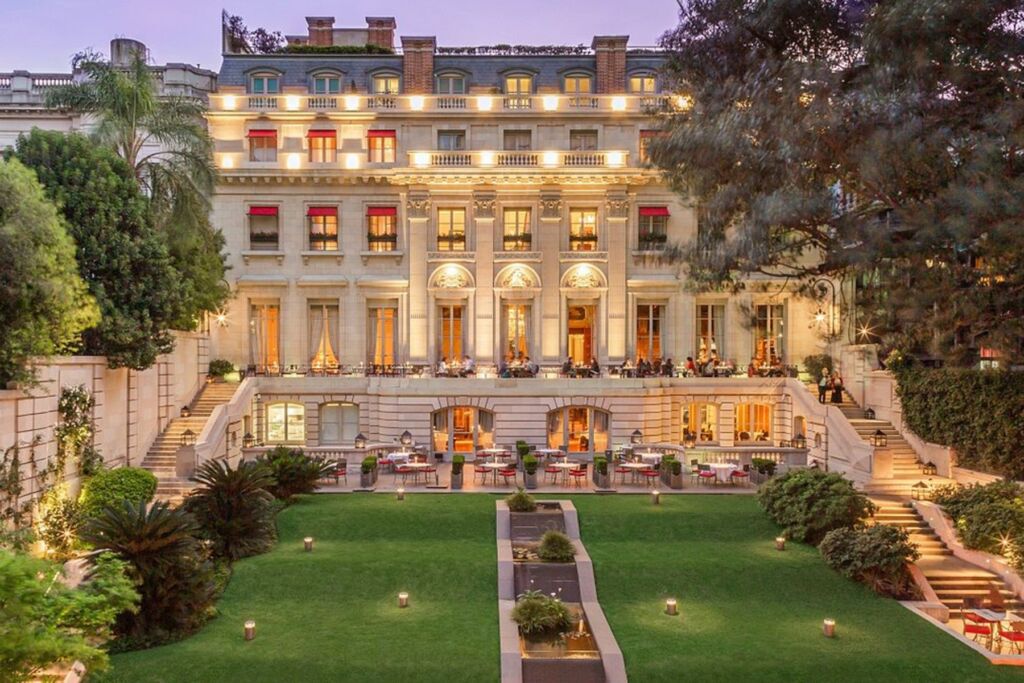
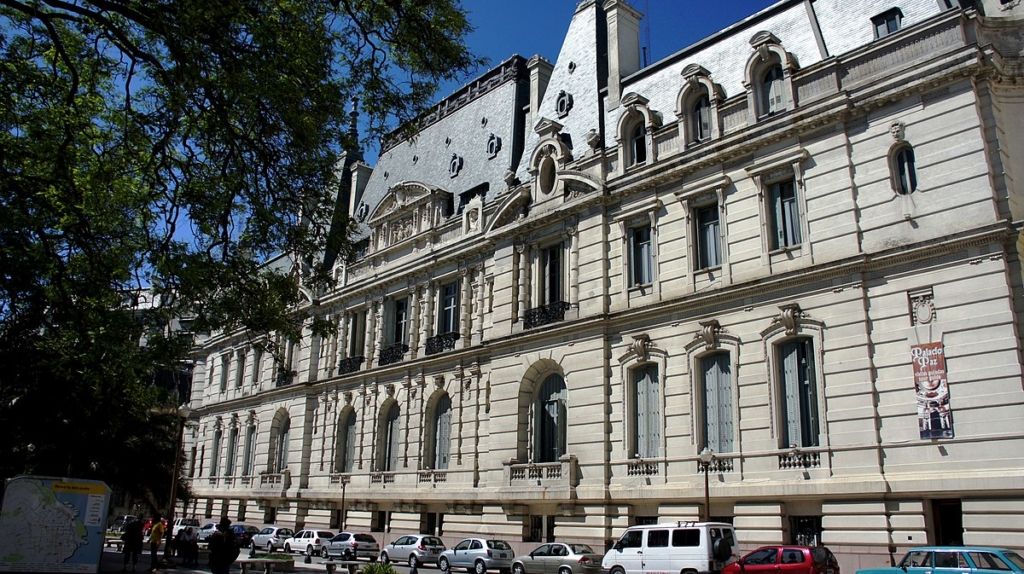
One of Buenos Aires' most traditional social clubs, the Military Officers' Association was founded in 1881 by NicolA?s Levalle, a decorated officer in the Argentine Army who believed such a facility could help mitigate tensions among the officer corps fro
 Аргентина
Дворец
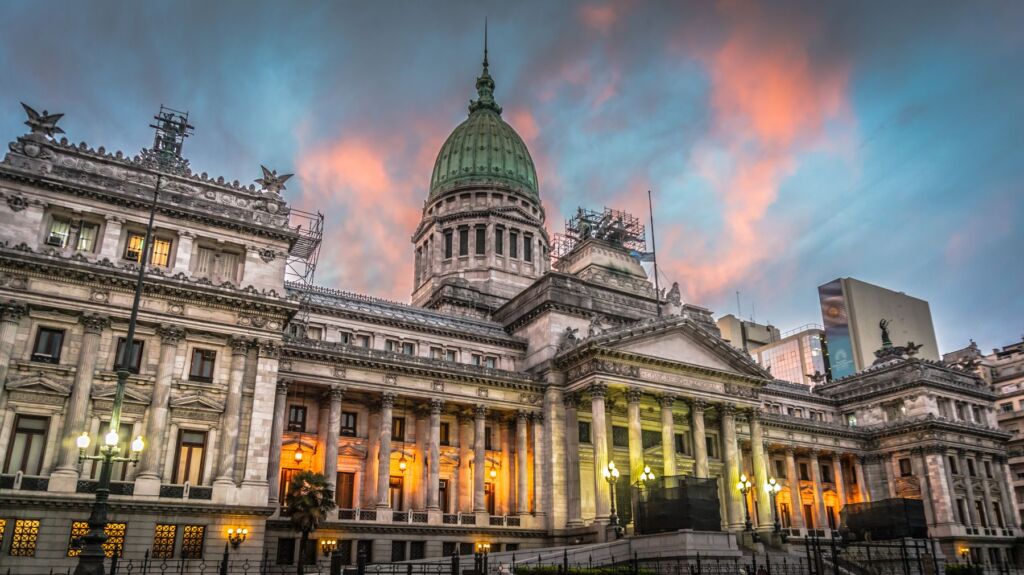
This is the building where the meetings of the National Congress of Argentina are held. The palace was built between 1897 and 1946. Made in neoclassical style. Together with the dome, the height of the palace reaches 80 m.
 Аргентина
Дворец
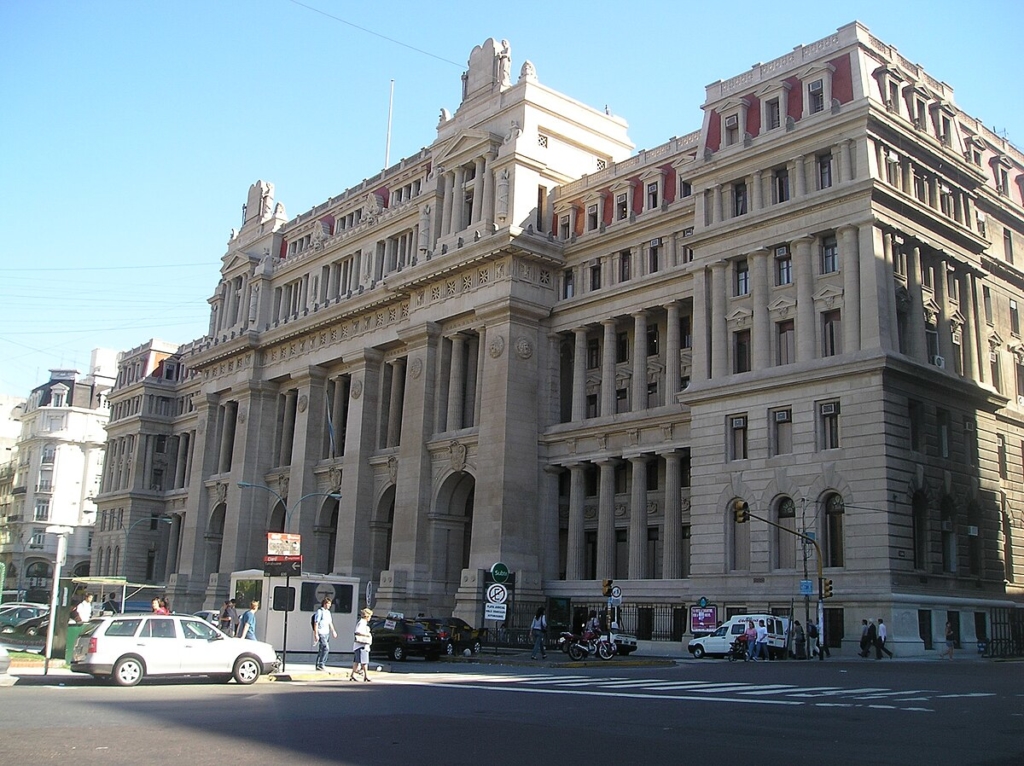
Designed by French arquitect Norbert Maillart over 100 years ago, it is where the Supreme Court resides.
 Аргентина
Заповедник
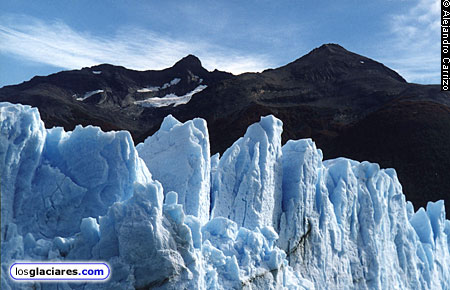
The Los Glaciares National Park is an area of exceptional natural beauty, with rugged, towering mountains and numerous glacial lakes, including Lake Argentino, which is 160 km long. At its farthest end, three glaciers meet to dump their effluvia into the milky grey glacial water, launching massive igloo icebergs into the lake with thunderous splashes.
 Аргентина
Заповедник
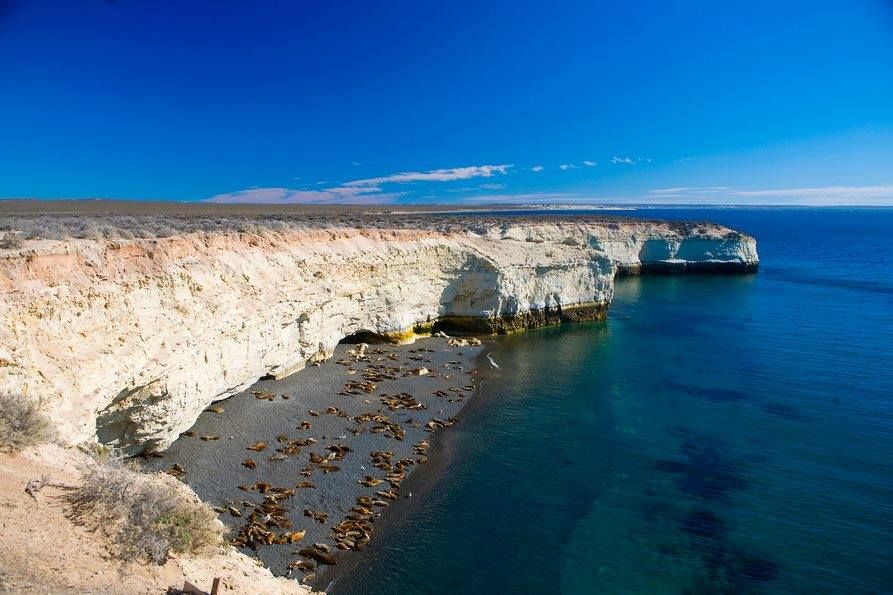
Peninsula Valdes in Patagonia is a site of global significance for the conservation of marine mammals. It is home to an important breeding population of the endangered southern right whale as well as important breeding populations of southern elephant seals and southern sea lions. The orcas in this area have developed a unique hunting strategy to adapt to local coastal conditions.
 Аргентина
Пещера
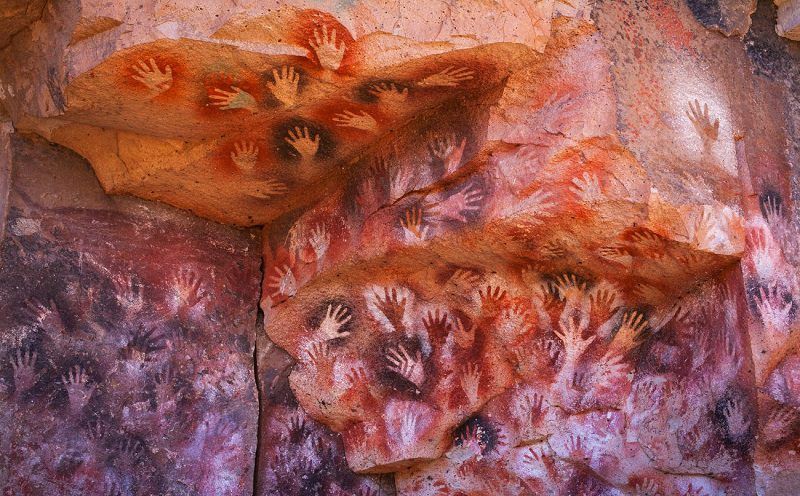
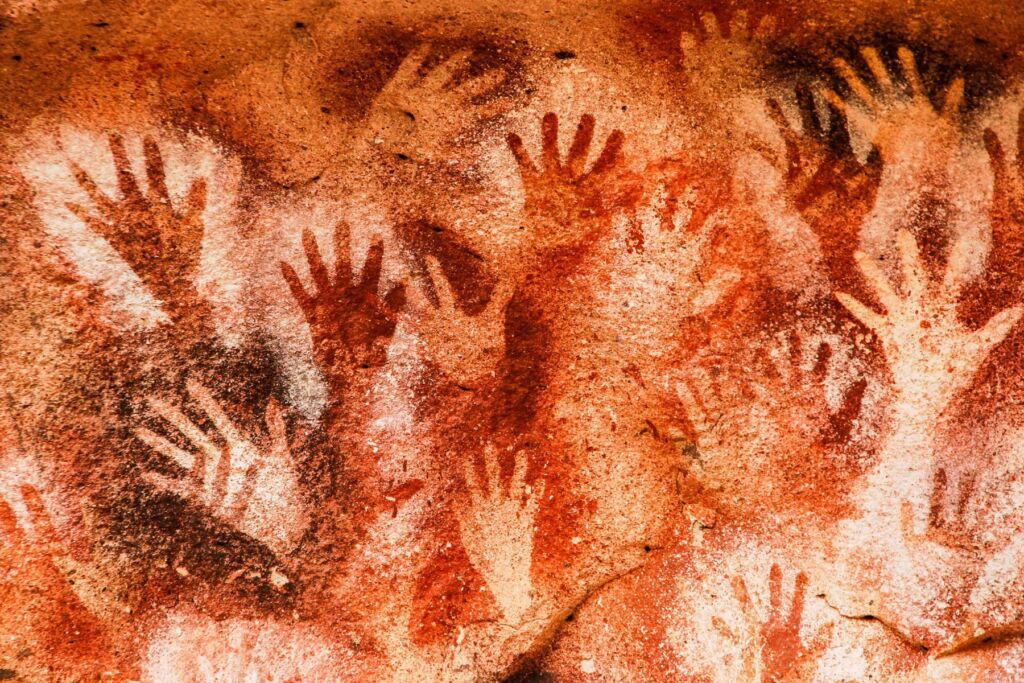
The Cueva de las Manos, Rio Pinturas, contains an exceptional assemblage of cave art, executed between 13,000 and 9,500 years ago. It takes its name (Cave of the Hands) from the stencilled outlines of human hands in the cave, but there are also many depictions of animals, such as guanacos (Lama guanicoe ), still commonly found in the region, as well as hunting scenes. The people responsible for...